
The Allure of Chance
The psychology of casino gambling is deeply intertwined with the allure of chance. This unpredictability captivates individuals, drawing them into a world where fortunes can change in an instant. The thrill of the unknown creates a dopamine rush, a chemical reaction in the brain that signals pleasure and excitement. This neurochemical response plays a significant role in why people are drawn to gambling environments, as it taps into an intrinsic human desire to seek rewards and experience exhilaration. Additionally, players may discover options such as non gamstop casino uk that provide alternative avenues for their gambling experiences.
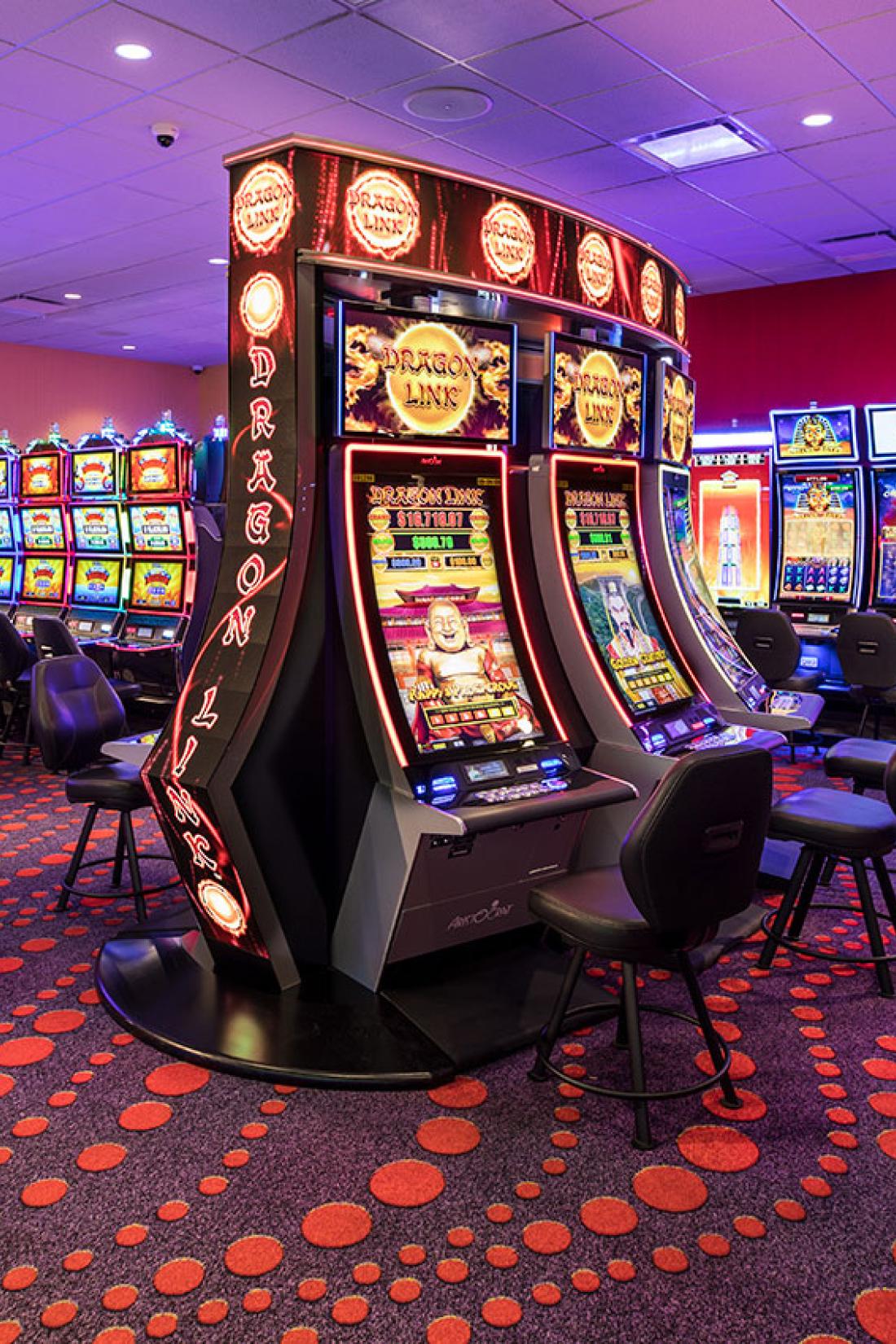
Moreover, casinos are designed to amplify this sensation. From the bright lights to the sounds of spinning reels and clinking chips, every element in a casino environment is crafted to stimulate the senses and enhance the feeling of euphoria. The anticipation of winning triggers a powerful emotional response, making the experience both captivating and potentially addictive. This unique blend of excitement and hope keeps players returning, as they chase not just monetary gain but the emotional high associated with the gamble.
The Role of Risk and Reward
Central to the psychological experience of gambling is the relationship between risk and reward. Gamblers often find themselves weighing the thrill of potential losses against the excitement of possible wins. This dynamic can create a compelling cycle where players rationalize their participation by focusing on the rewards rather than the inherent risks involved.
This risk-reward balance is particularly fascinating because it breeds a type of cognitive bias known as the “gambler’s fallacy.” Many players believe that past outcomes can influence future results, leading them to engage in superstitious behaviors or strategies that have no basis in statistical reality. Such psychological phenomena can intensify their engagement and investment in the game, further driving the casino experience.
Emotional Factors Influencing Gambling
Emotions play a crucial role in the gambling experience, shaping decisions and behaviors significantly. Many individuals turn to casinos as a means of escape from everyday stressors or personal challenges. The adrenaline rush of risking money can serve as a temporary distraction, allowing players to forget their troubles, at least for a moment.
However, this emotional engagement can also lead to negative consequences. For some, gambling becomes a coping mechanism that spirals into addiction, driven by a desire to replicate previous highs or mitigate emotional pain. The interplay of emotions in gambling illustrates a complex dynamic; what begins as a source of enjoyment can quickly shift into a perilous cycle of dependency and regret.
The Influence of Environment on Gambling Behavior
The environment within a casino significantly influences player behavior and decision-making. Casinos are meticulously designed to create an immersive experience, eliminating distractions that might lead players to leave. The layout encourages flow, with no clocks or windows to provide a sense of time, allowing players to lose themselves in the experience.
Additionally, the social aspect of gambling plays a pivotal role in shaping individual experiences. Whether it’s the camaraderie at a poker table or the shared excitement of a slot machine, these interactions foster a sense of belonging and community. This social stimulation can further enhance the enjoyment of gambling, often leading individuals to spend more time and money in pursuit of both social connection and monetary gain.
Exploring Our Website for More Insights
This website serves as a valuable resource for individuals seeking information about gambling psychology and related topics. While some areas may be restricted due to access limitations, we strive to provide informative content that helps illuminate the complexities of gambling experiences. Our goal is to support visitors in understanding not just the allure of casinos but also the psychological factors that drive behavior in these environments.
As users explore our accessible resources, we encourage open dialogue and inquiries about gambling psychology. Engaging with our content can foster a deeper appreciation for the intricate relationship between human behavior and the gambling experience, empowering individuals to make informed choices.